No fictional orders
Simulate a payment in the customer view to see the order here and follow its preparation.
INDEPENDENT PIZZERIAS. DIRECT CONNECTION.
The craft stays in the kitchen. We’re building the direct ordering experience around it — from the first scan to the final handover.
Take a product tourAn early-stage product with a focused first market.
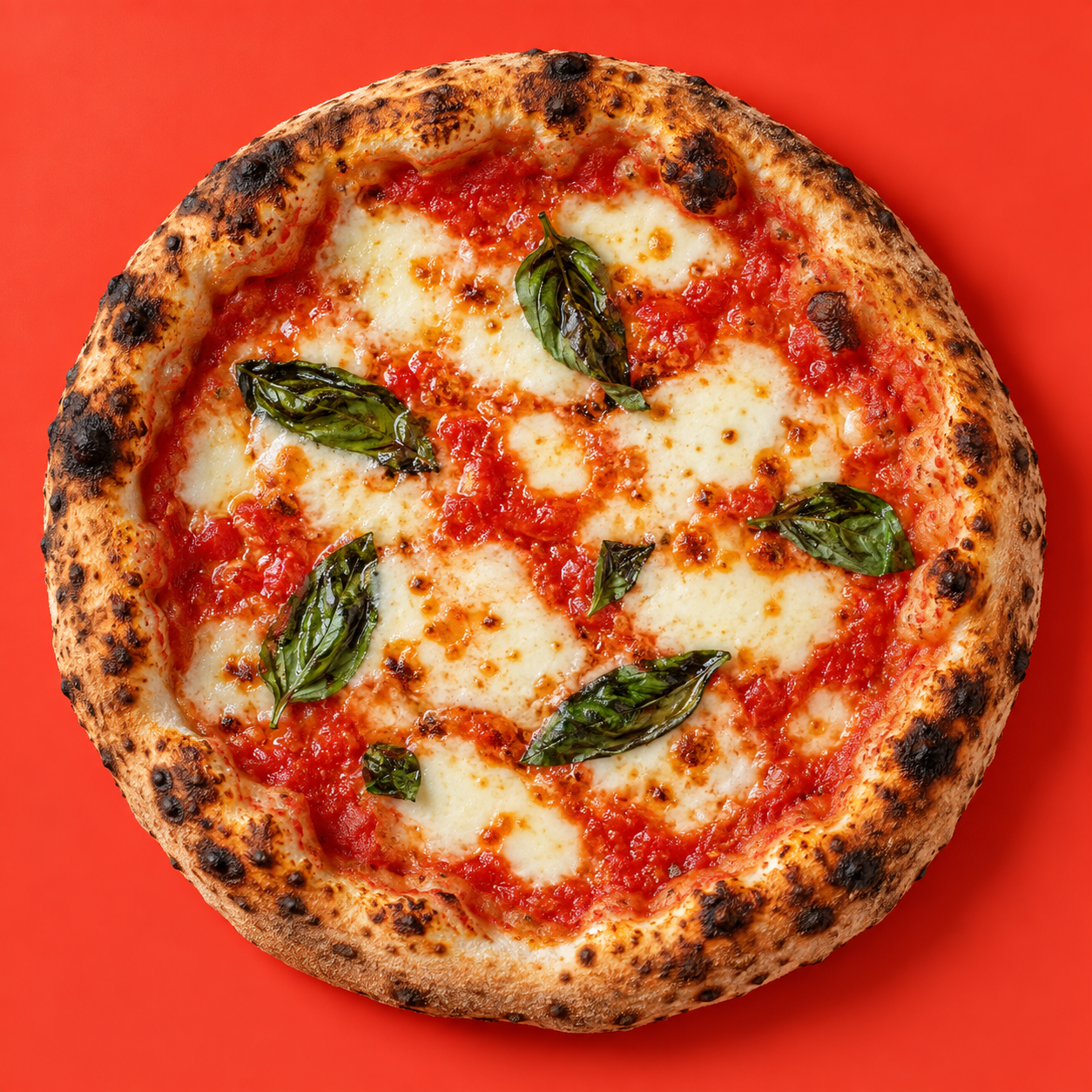 CRAFT AT THE CENTRE.
01 / THE PRODUCT
From choosing a pizza to handing it over, each person gets a view designed for their part of the service.
A merchant-branded mobile menu, card prepayment and pickup tracking. No customer account, email address or phone number required.
Interactive illustration · fictional data
These views explain the product; they are not the live application.
THE CLASSICSimulation only.
No banking details requested.
A generated pickup name.
Fictional example: Milo Basilic.
Simulate a payment in the customer view to see the order here and follow its preparation.
Catalog · Prices · Ingredients
Catalog prices and ingredients appear in the customer storefront.
02 / THE THESIS
The opportunity: make direct ordering useful enough to become part of an independent pizzeria’s everyday service.
A dedicated ordering link and a merchant-branded storefront keep the journey connected to the pizzeria.
Pickup timing, order preparation and handover share one flow. The hypothesis: less time taking orders and collecting payment.
No customer account or contact details to enter. A generated pickup name helps the team identify each order.
Shared software with merchant-scoped menus, configuration and orders. A foundation for expansion; adoption still needs to be proven.
03 / PROGRESS
The core journey is implemented. The next chapter is learning from real, unassisted service.
Customer ordering, staff order handling and owner catalog management. Recent interface work checked locally with fictional data.
An end-to-end hosted journey demonstrated with Stripe test payments, through order acknowledgement and handover.
Observe real service, confirm operational readiness and measure where the product saves work.
Test repeat use, willingness to pay and the effort required to bring another pizzeria on board.
Test payments and local checks establish technical progress. They do not establish production adoption, revenue or measured time savings.
A FEW INVESTOR QUESTIONS
A focused pickup use case makes it possible to observe a complete service: a customer chooses, the kitchen prepares, the team hands over. The first aim is to validate that workflow in a real pizzeria before expanding.
Commercial pricing has not been validated. The next step is to test merchant value and willingness to pay during the pilot, then establish pricing around that evidence.
The current product uses Stripe card payments. Customers do not need a crypto wallet. This presentation makes no claim of a live crypto payment capability.
PIZZA x402